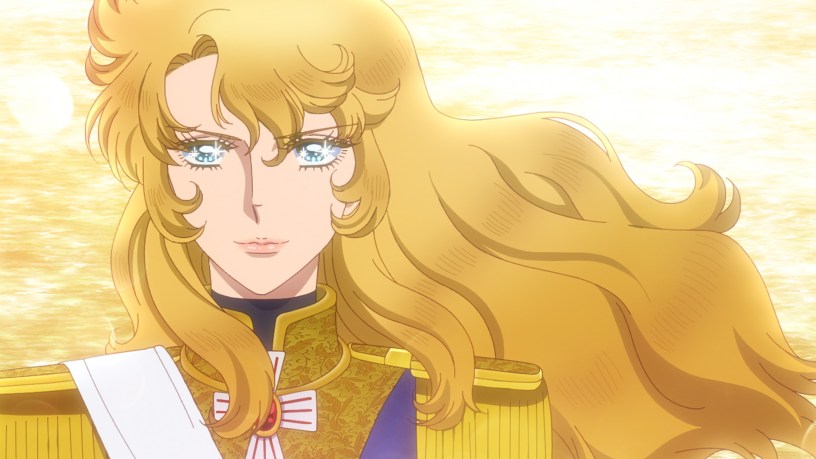
As a longtime fan of classic anime and historical dramas, I went into The Rose of Versailles with high hopes. Though I’m unfamiliar with the original manga or the anime released in 1979. However, Its legacy is undeniable. It’s an iconic series that helped define the shōjo genre and introduced many fans to the grandeur and tragedy of pre-revolutionary France. Visually, it still holds a certain elegance, with sweeping gowns, expressive eyes, and melodrama that feels both operatic and intimate.
However, my experience with the English dub left me more frustrated than enchanted.

While I understand the challenge of translating such stylized material, the performances often felt stilted, mismatched, or emotionally flat—especially in moments that demanded gravitas or passion. At times, the dialogue bordered on overly theatrical without the necessary nuance to back it up, which undercut the story’s intensity and character arcs.
The English song adaptations, while ambitious, were also less than stellar and sometimes pulled me out of the experience.
Oscar, one of the most trailblazing and iconic figures in anime history, deserved a voice that fully embodied her strength, vulnerability, and inner turmoil. Instead, much of her complexity felt lost in translation—dulling the very heart of what makes The Rose of Versailles endure.
That said, I completely see why The Rose of Versailles is beloved. Its influence can’t be overstated. But if you’re new to the series, I’d strongly recommend seeking out the original Japanese version with subtitles to truly appreciate its emotional and cultural impact.
There will be more anime reviews soon so…
Stay tuned!
 Life In Cartoon Motion